

Brand storytelling is often associated with marketing campaigns, visual identity, or digital presence. However, one of the most powerful and often overlooked storytelling tools is physical space. Whether it is a retail store, office, showroom, or experiential environment, space has the ability to communicate values, emotions, and purpose without relying on words. When done thoughtfully, brand storytelling through space strengthens brand identity and creates lasting connections with audiences.
Understanding Brand Storytelling Through Space
Brand storytelling through space refers to how a physical environment communicates who a brand is and what it stands for. Every design decision sends a message. The layout, materials, lighting, colors, and even the flow of movement can shape how people perceive a brand.
Unlike traditional storytelling methods, spatial storytelling is immersive. People do not just observe it. They experience it. This makes it a powerful tool for shaping emotional responses and influencing behavior. A well designed space can convey trust, innovation, heritage, or creativity in ways that words alone cannot.
Why Space Matters for Brand Identity
Brand identity is the collection of visual, emotional, and experiential elements that define how a brand is recognized. Physical spaces play a critical role in reinforcing that identity. When a space aligns with a brand’s values and personality, it creates consistency across all touchpoints.
For example, a brand that values transparency and openness may use open layouts, glass partitions, and natural light. A luxury brand may focus on refined materials, controlled lighting, and carefully curated details. These design choices help customers intuitively understand the brand before any interaction takes place.
Consistency between physical space and brand identity builds trust. When customers experience alignment between what a brand says and how it presents itself in space, the brand feels authentic.
Start With the Brand Story
Before designing a space, it is essential to clearly define the brand story. This includes the brand’s mission, values, history, and vision. Ask questions such as:
What does the brand believe in?
What emotions should people feel when they enter the space?
What makes the brand different from competitors?
Once the story is clear, it becomes easier to translate it into spatial elements. The space should not simply look appealing. It should express meaning and purpose.
Using Layout and Flow to Guide the Narrative
The way people move through a space plays a key role in storytelling. A thoughtful layout can guide visitors through a narrative journey.
For example, a brand with a strong heritage may design a space that begins with its origins and gradually leads visitors toward modern innovations. A customer focused brand may prioritize ease of navigation, clear sightlines, and intuitive layouts that make people feel comfortable and welcomed.
Flow influences how long people stay, where they pause, and what they notice. Each of these moments contributes to how the brand story is absorbed.
Material Choices and Sensory Experience
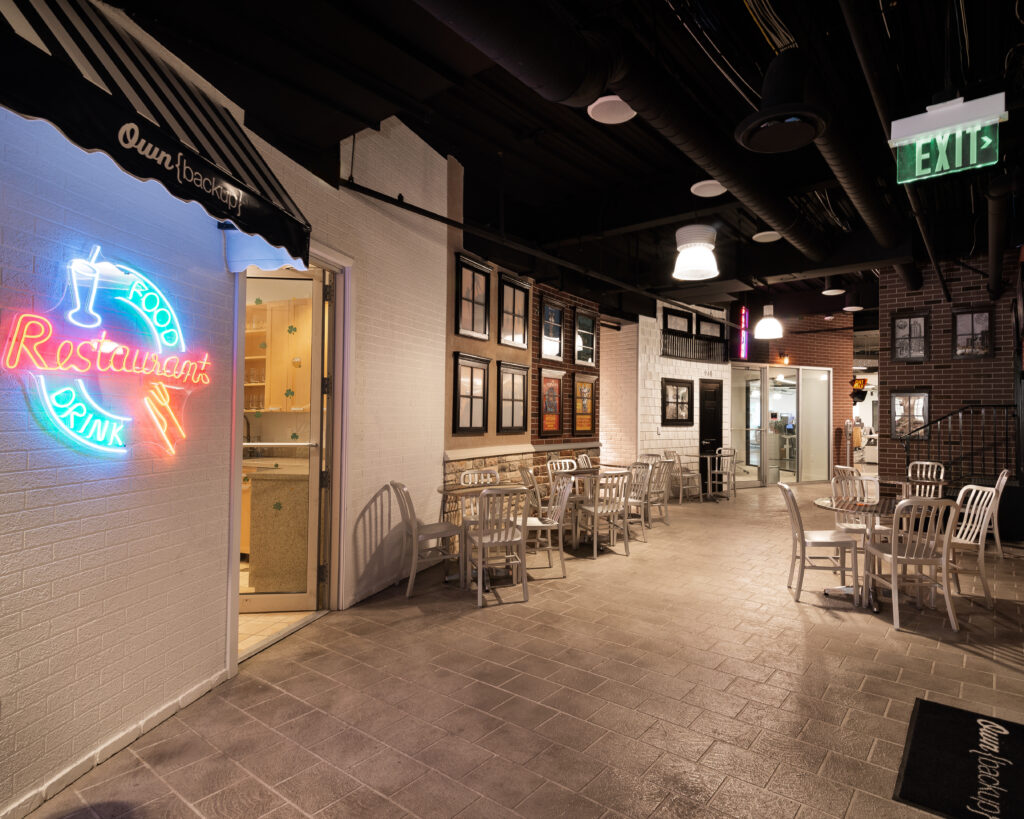
Materials are one of the most direct ways to communicate brand values. Natural materials like wood and stone often convey warmth and authenticity. Metal and glass can suggest precision and modernity. Sustainable materials can reinforce a commitment to environmental responsibility.
Brand storytelling through space also extends beyond visual elements. Sound, texture, scent, and temperature all contribute to the overall experience. A calm, minimalist brand may use soft textures and muted acoustics. A bold, energetic brand may incorporate dynamic lighting and music.
Engaging multiple senses helps create a deeper emotional connection and makes the brand more memorable.
Color and Lighting as Storytelling Tools
Color is closely tied to brand identity. It influences mood and perception almost instantly. Consistent use of brand colors within a space reinforces recognition and emotional association.
Lighting also plays a crucial role. Bright, even lighting can communicate openness and efficiency. Dim, focused lighting can create intimacy and exclusivity. Natural light often enhances feelings of comfort and wellbeing.
When color and lighting align with the brand’s personality, they support the story without needing explanation.
Reflecting Brand Values Through Design Details
Small details often leave the strongest impression. Custom furniture, signage, artwork, and finishes can all reflect brand values and craftsmanship.
For example, a brand that emphasizes community may incorporate shared spaces or interactive features. A technology driven brand may integrate digital touchpoints seamlessly into the environment. These details show intention and reinforce the narrative in subtle but effective ways.
Every element should serve a purpose. If something does not support the brand story, it risks diluting the message.
Creating Emotional Connections
The ultimate goal of brand storytelling through space is to create an emotional response. People may forget what they saw, but they remember how a space made them feel.
Emotional connections build loyalty. When customers feel inspired, relaxed, or valued within a space, those emotions become associated with the brand itself. This is especially important in competitive markets where products and services may be similar.
Spaces that invite interaction, discovery, or personalization allow visitors to become part of the story rather than passive observers.
Adapting the Story Across Different Spaces
A brand may operate across multiple physical locations, such as stores, offices, and pop up environments. While each space may serve a different function, the core brand story should remain consistent.
Consistency does not mean repetition. It means expressing the same values in ways that suit each context. A flagship store may tell a more immersive story, while a smaller space may focus on key elements that reinforce brand identity.
Flexibility allows the brand story to evolve while maintaining a recognizable foundation.
Measuring the Impact of Spatial Storytelling
The success of brand storytelling through space can be measured in various ways. Customer feedback, dwell time, repeat visits, and engagement levels all provide insight into how a space is performing.
Employee satisfaction is another important indicator, especially in workplace environments. When employees feel connected to the brand through their surroundings, it can improve morale and productivity.
Regular evaluation helps ensure that the space continues to align with the brand as it grows and changes.
Where Space Meets Story and Identity Becomes Tangible
When physical environments reflect a brand’s values, they translate brand identity into lived experience. Spatial storytelling allows brands to communicate who they are through form, material, and movement rather than language alone.Focus Studio examines how space can support these narratives, using design to express identity and purpose in ways that feel considered and enduring.
This version is intentionally restrained and reads like something you would find in a design or branding magazine.