

The way people interact with spaces has changed significantly over the past decade. Retail stores are no longer just places to purchase products, hotels are more than temporary accommodation, and offices are no longer defined by rows of desks. Today, retail, hospitality and workplace design is centred on experience. The focus has shifted from decorating interiors to shaping how people feel, behave, and connect within a space. This approach is defined by spatial experience design, where human interaction becomes the foundation of design decisions.
Understanding the Experience Economy
Modern consumers, guests, and employees value meaningful experiences over physical assets. This shift has influenced how spaces are planned and designed. A successful environment now supports emotion, engagement, and functionality rather than relying solely on visual appeal.
Spatial experience design considers how a space is used throughout the day, how people move within it, and how it responds to both practical and emotional needs. Lighting, layout, acoustics, materials, and technology work together to create environments that are intuitive and engaging. This mindset has become essential across retail, hospitality, and workplace sectors.
Retail Design as an Experiential Platform
Retail design has evolved rapidly in response to digital commerce. With online shopping offering speed and convenience, physical stores must deliver value through experience. Today, retail spaces are brand environments rather than transactional settings.
Through spatial experience design, retail environments are planned to encourage exploration and interaction. Clear circulation paths, curated zones, and sensory elements help guide customers while reinforcing brand identity. Product displays become part of a broader narrative rather than standalone fixtures.
Retail spaces increasingly integrate hospitality elements such as seating areas, cafés, and community zones. This blending of retail, hospitality and workplace design creates spaces where customers feel comfortable spending time, building stronger emotional connections with brands.
Hospitality Design and Emotional Engagement
Hospitality environments have always been experience-driven, but guest expectations have become more sophisticated. Travellers now seek spaces that feel authentic, comfortable, and memorable. Design plays a critical role in shaping these perceptions.
Spatial experience design in hospitality focuses on the complete guest journey. Arrival sequences, transitions between public and private areas, and visual connections within the space all influence how guests feel. Materials and finishes are selected not only for aesthetics but also for durability, comfort, and atmosphere.
Hotels, restaurants, and leisure spaces increasingly reflect local culture and context, creating a sense of place. This approach strengthens emotional engagement and encourages repeat visits. The principles of retail, hospitality and workplace design often intersect here, with hospitality settings borrowing flexibility and efficiency from workplace planning, while workplaces adopt the warmth and comfort traditionally associated with hospitality.
Workplace Design Beyond Functionality
The workplace has undergone a fundamental transformation. Hybrid working models and changing employee expectations have reshaped how offices are designed and used. The modern workplace must support productivity, collaboration, and wellbeing while offering flexibility and choice.
Spatial experience design allows workplaces to adapt to different work styles. Focused work areas, collaborative zones, and informal social spaces coexist within a single environment. This variety empowers employees to choose spaces that support their tasks throughout the day.
Natural light, biophilic elements, and acoustic comfort are increasingly prioritised to support wellbeing. Technology is seamlessly integrated to enhance efficiency without dominating the space. In this way, retail, hospitality and workplace design converge once again, with offices adopting the comfort, service, and experience-led approach found in hospitality environments.
The Core Principles of Spatial Experience Design
Spatial experience design is built on a holistic understanding of how people interact with space. It goes beyond surface-level aesthetics and focuses on long-term usability and emotional response.
Key principles include user-centric planning, where the needs and behaviours of occupants shape design decisions. Journey mapping ensures that spaces respond naturally to movement and flow. Sensory design uses light, sound, texture, and scale to influence mood and perception. Brand integration translates values and identity into physical form. Flexibility ensures spaces can evolve as needs change.
When applied effectively, these principles result in environments that feel purposeful and engaging across retail, hospitality, and workplace settings.
Business Value of Experience-Led Design
Experience-led environments deliver measurable benefits. In retail, they increase dwell time and customer loyalty. In hospitality, they enhance guest satisfaction and brand differentiation. In workplaces, they support employee engagement, productivity, and retention.
Investing in retail, hospitality and workplace design that prioritises spatial experience design is a strategic decision. Well-designed spaces communicate brand values, support operational goals, and adapt to future demands. Poorly planned environments can lead to inefficiency, dissatisfaction, and missed opportunities.
Design is no longer a final layer applied at the end of a project. It is an integral part of business strategy from the outset.
The Future of Designed Environments
As technology and sustainability continue to influence the built environment, spatial experience design will play an even greater role. Data-driven insights will inform layout decisions, while adaptable spaces will respond to changing patterns of use. Sustainable materials and energy-efficient systems will become standard expectations rather than optional features.
Retail spaces will focus on community and engagement, hospitality environments will continue to prioritise personalisation and comfort, and workplaces will evolve into dynamic ecosystems that support diverse ways of working. Across all sectors, the emphasis will remain on human experience.
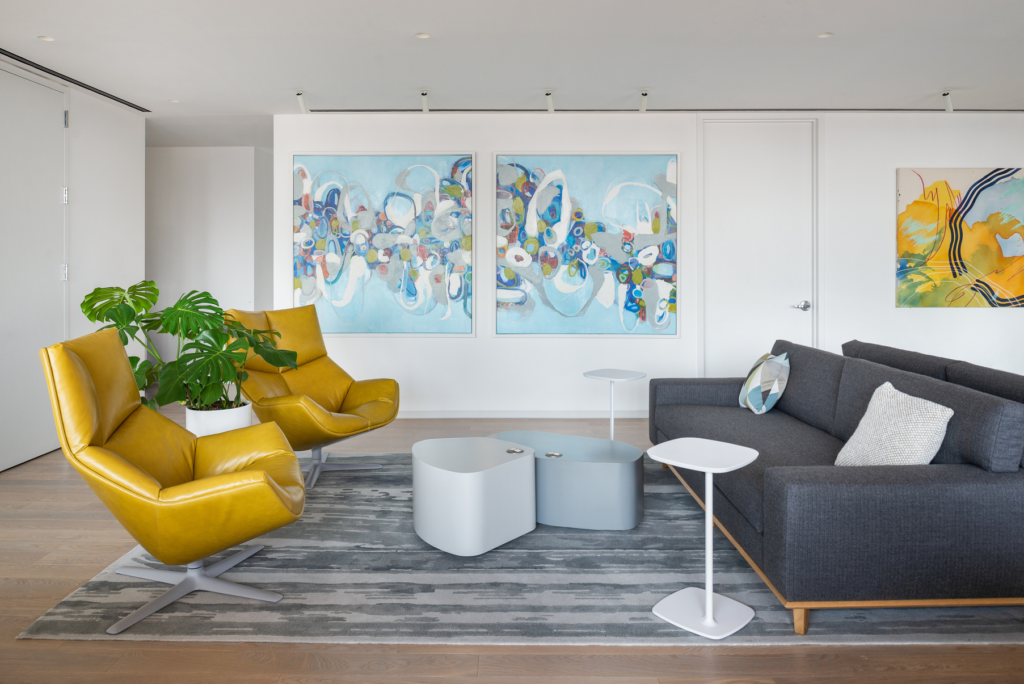
Shaping Environments That Support How People Live and Work
Successful spaces do more than look good. Retail, hospitality and workplace design now focuses on how people move, interact, and feel within a space. Spatial experience design ensures that every detail, from layout and lighting to materials, comes together to create a meaningful and memorable experience.
Environments that support human needs and encourage engagement benefit both the people who use them and the organizations behind them. Thoughtful design strengthens brand identity, builds loyalty, and promotes wellbeing and productivity for employees and guests alike.
For businesses and organizations aiming to put these principles into practice, exploring human-centered, experience-driven design makes a real difference. Learn more about this approach and how it can transform spaces at Focus Studio