
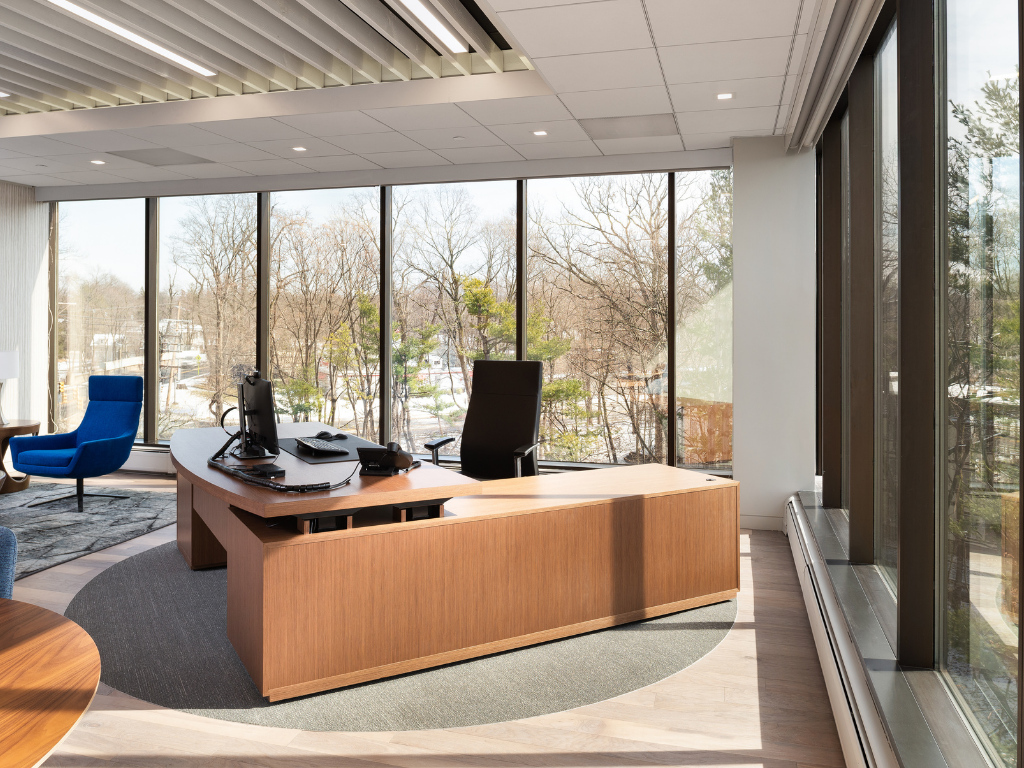
Office design isn’t just about how a space looks anymore. These days, it’s about creating environments that help people work better, connect easier, and feel comfortable throughout the day. A big part of making that happen is integrating technology into office design in a way that feels natural and useful—not overwhelming.
In this article, we’ll take a closer look at how companies can bring tech into their workspaces smoothly, the benefits of doing so, and some practical tips for making your office smarter and more employee-friendly.
Why Integrate Tech into Office Design?
Technology has become the backbone of nearly every workplace activity from communication and project management to security and environmental control. Integrating tech into office design allows companies to
- Boost productivity: smart tools and devices automate mundane tasks and streamline workflows
- Enhance collaboration: digital communication platforms and interactive tech break down barriers between teams
- Support flexibility: technology supports remote work hot desking and hybrid models
- Improve employee experience: from adjustable lighting to ergonomic tech employees feel more comfortable and engaged
- Optimize space utilization: sensors and analytics help manage office layouts efficiently
- Increase sustainability: smart systems reduce energy use and waste
With these advantages in mind it is clear that integrating tech into office design is no longer optional it is essential.
Key Areas for Integrating Tech into Office Design
1. Smart Workstations
Gone are the days of static desks with a computer and a phone. Today’s workstations are dynamic equipped with
- Adjustable desks with electric controls
- Wireless charging pads embedded into desks
- Docking stations for seamless connection with laptops and monitors
- Smart monitors that adjust brightness and blue light exposure based on the time of day
These features not only improve ergonomics but also reduce cable clutter and increase overall comfort and efficiency.
2. Collaborative Technology
Modern offices thrive on collaboration. Integrating tech means outfitting meeting rooms and open spaces with
- Interactive whiteboards and touchscreens for brainstorming
- Video conferencing systems with high-definition cameras and noise-canceling microphones
- Wireless presentation systems that allow multiple users to connect without cables
- Collaboration apps integrated into digital displays for instant sharing and editing
These tools make it easy for teams to connect whether in the office or remote fostering creativity and faster decision-making.
3. Smart Lighting and Environmental Controls
Lighting and comfort are critical for maintaining focus and reducing fatigue. Tech integration can include
- Automated lighting systems that adjust based on natural light or occupancy
- Temperature controls linked to individual zones or workstations
- Air quality sensors that monitor and improve ventilation
- Sound masking technology to reduce noise distractions
By making the environment adaptable, offices become healthier and more pleasant places to work.
4. IoT and Sensor Integration
Internet of Things devices are at the forefront of smart office design. These include
- Occupancy sensors to monitor desk and room usage
- Smart booking systems for conference rooms and hot desks
- Energy management systems that optimize power consumption
- Security systems with biometric access and real-time monitoring
IoT integration allows companies to gather valuable data improving space utilization and operational efficiency.
Best Practices for Seamless Tech Integration
1. Start with a Clear Strategy
Before implementing new technologies, understand your business goals and employee needs. Define what problems you want to solve with tech whether it is improving communication, reducing overhead or enhancing wellbeing.
2. Prioritize User Experience
Technology should make work easier, not more complicated. Involve employees early in the design process to ensure new tools align with their workflows and preferences. Intuitive interfaces and minimal disruption are key.
3. Plan for Scalability
Technology evolves quickly. Choose solutions that can grow and adapt as your company changes. Modular designs and platforms that support software updates help future-proof your office.
4. Ensure Interoperability
Integrating tech means multiple devices and systems need to work together seamlessly. Opt for open standards and compatible products that can communicate across platforms to avoid siloed data and inefficiencies.
5. Focus on Security
More connected devices mean increased cybersecurity risks. Implement strong security protocols, regular software updates and employee training to safeguard sensitive data.
6. Design for Flexibility
Hybrid work models require spaces that adapt easily. Use modular furniture, flexible meeting rooms and mobile tech solutions to support shifting team sizes and work styles.
Transform Your Office into a Tech-Ready Space
Integrating technology into office design is more than just a trend; it is a fundamental shift in how we think about workspaces. By thoughtfully embedding smart technologies companies can create environments that boost productivity support collaboration and prioritize employee wellbeing.
Whether you are starting from scratch or upgrading an existing office, embracing a holistic approach to smart office design ensures your workspace remains future-ready and a place where people thrive.
Ready to transform your office into a smart tech-integrated hub? The time to start is now.